As an art historian and religious studies scholar, I am a firm believer in the power of art and museums, to change things for the better. With both my research and curatorial work, I hope to create room for imagination, beauty, (spiritual) reflection, and impact. Through the selection and combination of objects and stories, and their presentation, I aim for experiences that embrace the unexpected and unfamiliar, resulting in a meaningful broadening of horizons.
Lou Loeber (working title)
May-September 2026, Stedelijk Museum Schiedam
Role: curator
Lou Loeber (1894-1983) was a pioneering modernist, who painted from strong idealist convictions. As a dedicated socialist, she believed her art should be accessible and available to everyone – and how it would contribute to making the world a better, more harmonious and fair place. From these ideals she developed an enigmatic work method that allowed for reproduction of works and recreation in a variety of media. She did not believe in the artistic genius of the individual artist, but aimed for her work to be as “impersonal” as possible. This universality translated into her style (she used strict geometric forms to represent figurative scenes), her color use (as bright and pure as possible), and her finishing of the works (as smooth and shiny as possible – to avoid traces of personal touch). This, paradoxically, resulted in a highly unique and recognizable oeuvre, which deserves much more attention and celebration than it has received thus far. This will be the first museum exhibition dedicated to Loeber’s work and life in 33 years.


De schepping van de wetenschap // The genesis of science
February-June 2024, Museum Catharijneconvent, Utrecht
Role: curator, together with co-curator Geertje Dekkers
Religion and science have always had a dynamic relationship, characterized by unavoidable connection, intricate collaboration as well as anymosity and conflict. Until this very day, the two entities have, perhaps for many people unexpectedly so, much in common.
This exhibition presented a fascinating journey through the historical developments of the natural sciences in the western part of Europe. Age-old scientific instruments, rare manuscripts and intriguing artworks – both historical and contemporary. In the exhibition visitors discovered how the development of the natural sciences in Europe cannot be understood without taking the influence of religion into consideration. Following four directions of sight (upwards toward the heavens, inward to us human beings, outward toward nature, and downward toward the grounds beneath our feet), visitors were simultaneously invited to challenge and open up their own perspectives.
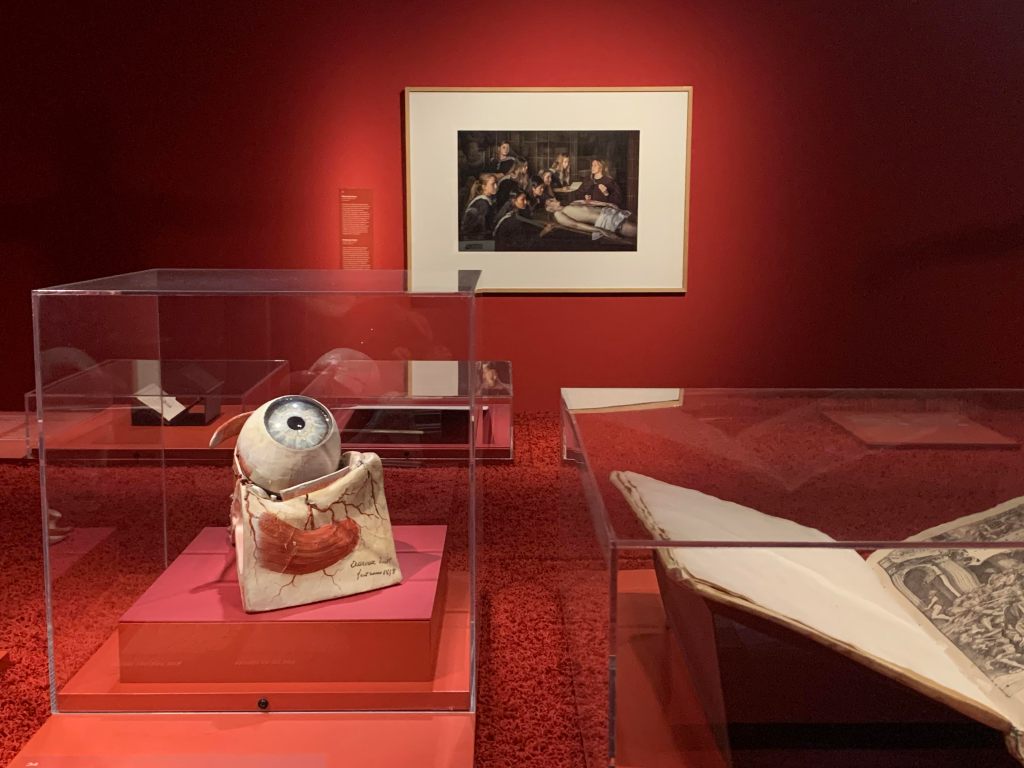

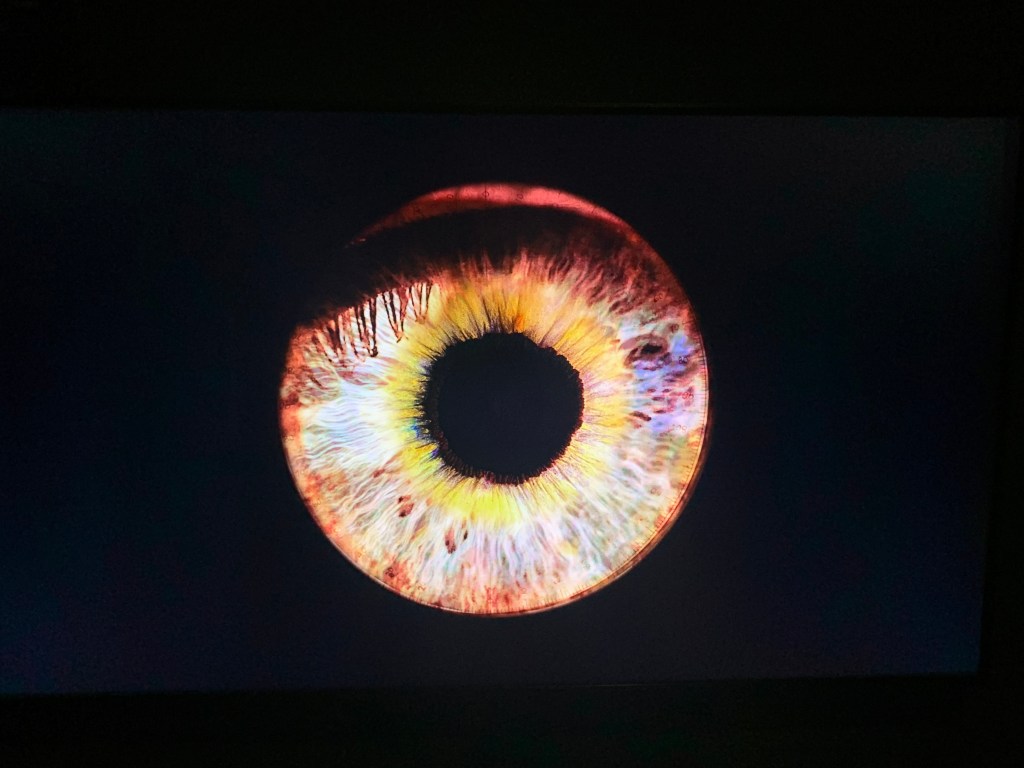
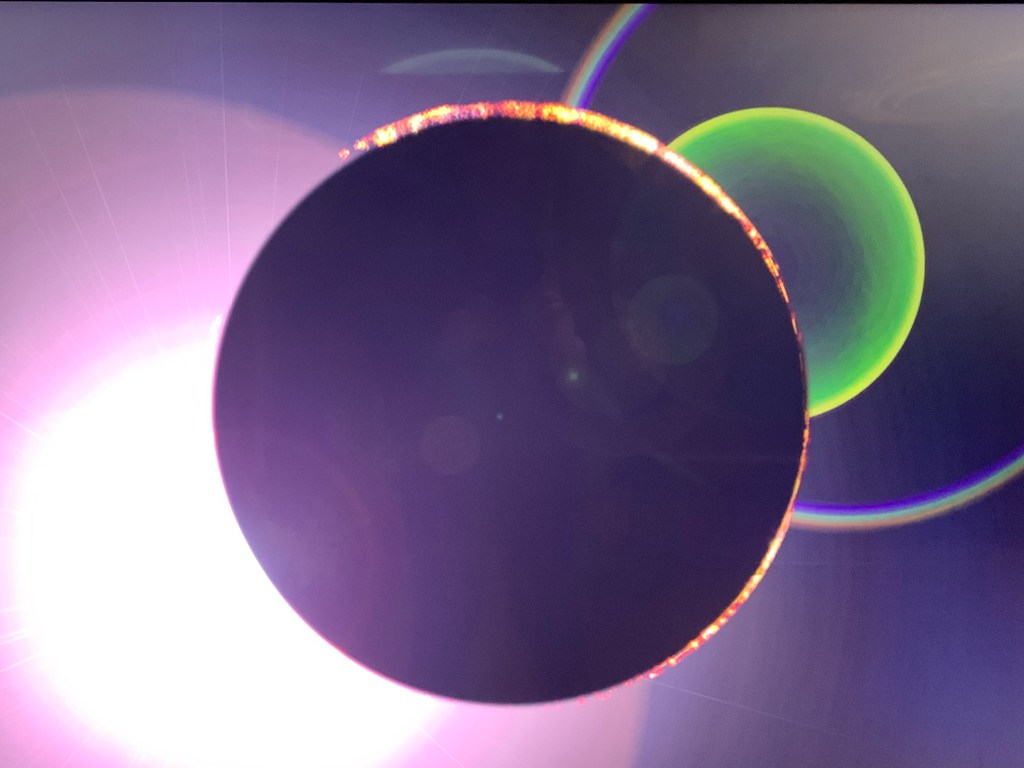

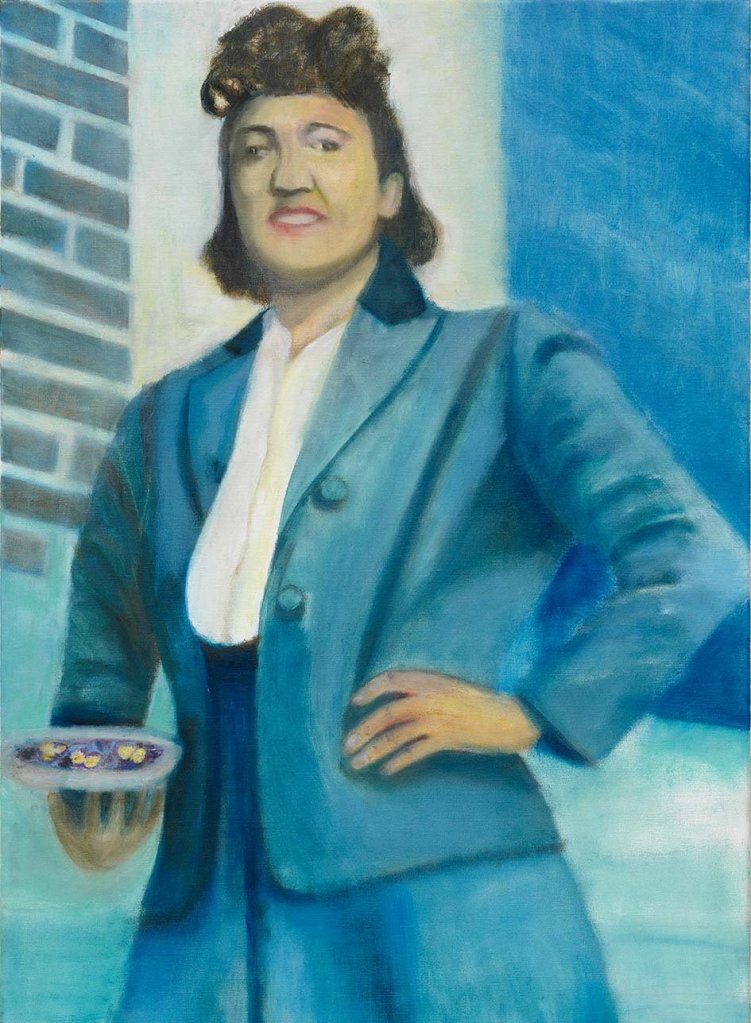
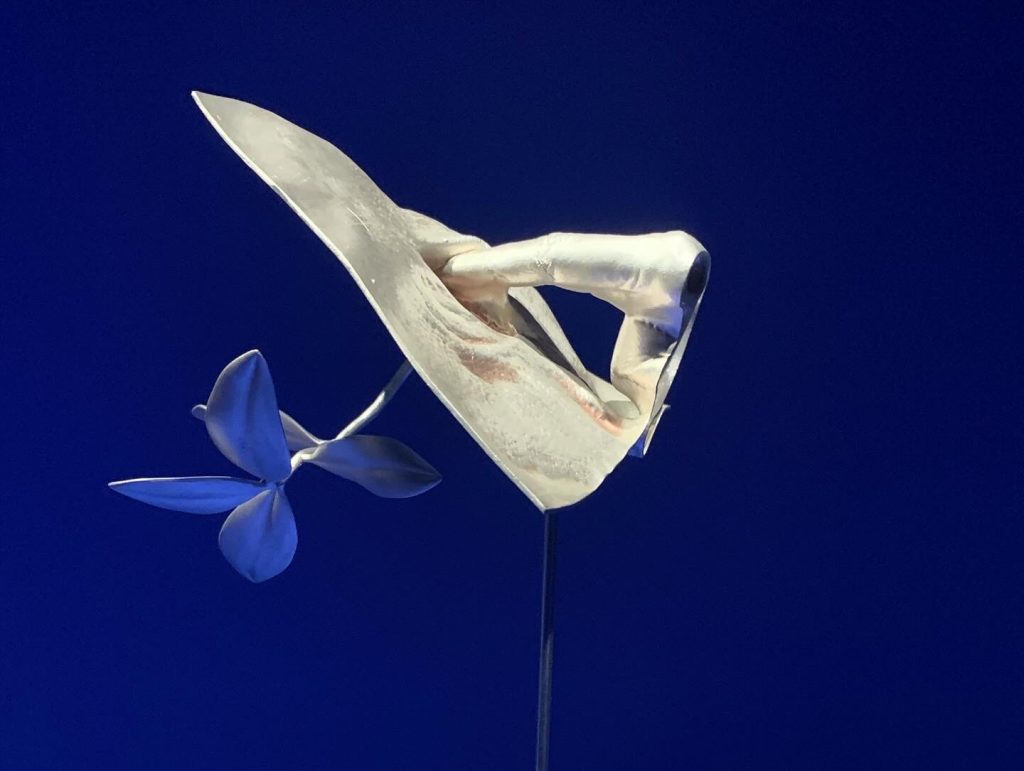
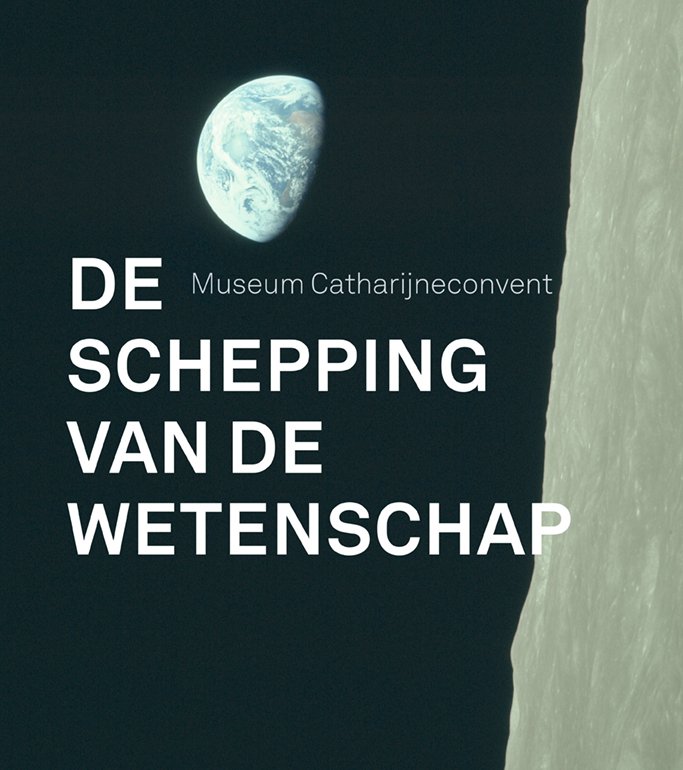
With loans from among others: Rijksmuseum Boerhaave, Leiden; Teylers Museum, Haarlem; Rijksmuseum, Amsterdam; Kunstmuseum Den Haag; Universiteitsbibliotheken Utrecht en Leiden; The Phoebus Foundation, Antwerpen; Museum Krona, Uden; artists and private collectors. Exhibition design: Trapped in Suburbia, Amsterdam.
The exhibition was accompanied by a publication (available in NL).
Lieke Wijnia (ed.), De schepping van de wetenschap. Waanders Publishers & Museum Catharijneconvent. 2024. With contributions by Geertje Dekkers, Willem B. Drees, Arjen Dijkstra, Stuart Matthieson, Marieke Maathuis, Thomas Dixon and Lieke Wijnia.
Book design: Studio Frederik de Wal.
Maria Magdalena. De tentoonstelling // Mary Magdalene. The exhibition
June-December 2021, Museum Catharijneconvent, Utrecht
Role: curator.
Meet the mysterious Mary Magdalene and her many faces: from chief witness and sinner to feminist. She is associated with the mixture of sexuality, sensuality and sin, she’s seen as a beacon of hope and as a feminist icon. And was or wasn’t she married to Jesus?
The exhibition offered a journey along historic sources, impressive paintings, contemporary art works and popular culture. Mary Magdalene embalms, seduces, cries, prays, preaches, converts and conducts miracles. Numerous of her manifestations appeared throughout the exhibition, which showed how these manifestations emerged over time and influenced, and reacted to, one another. What does her appearance tell us? Challenging, reflective, penant, inviting: Mary Magdalene has always been – and still is – a mirror of the times.

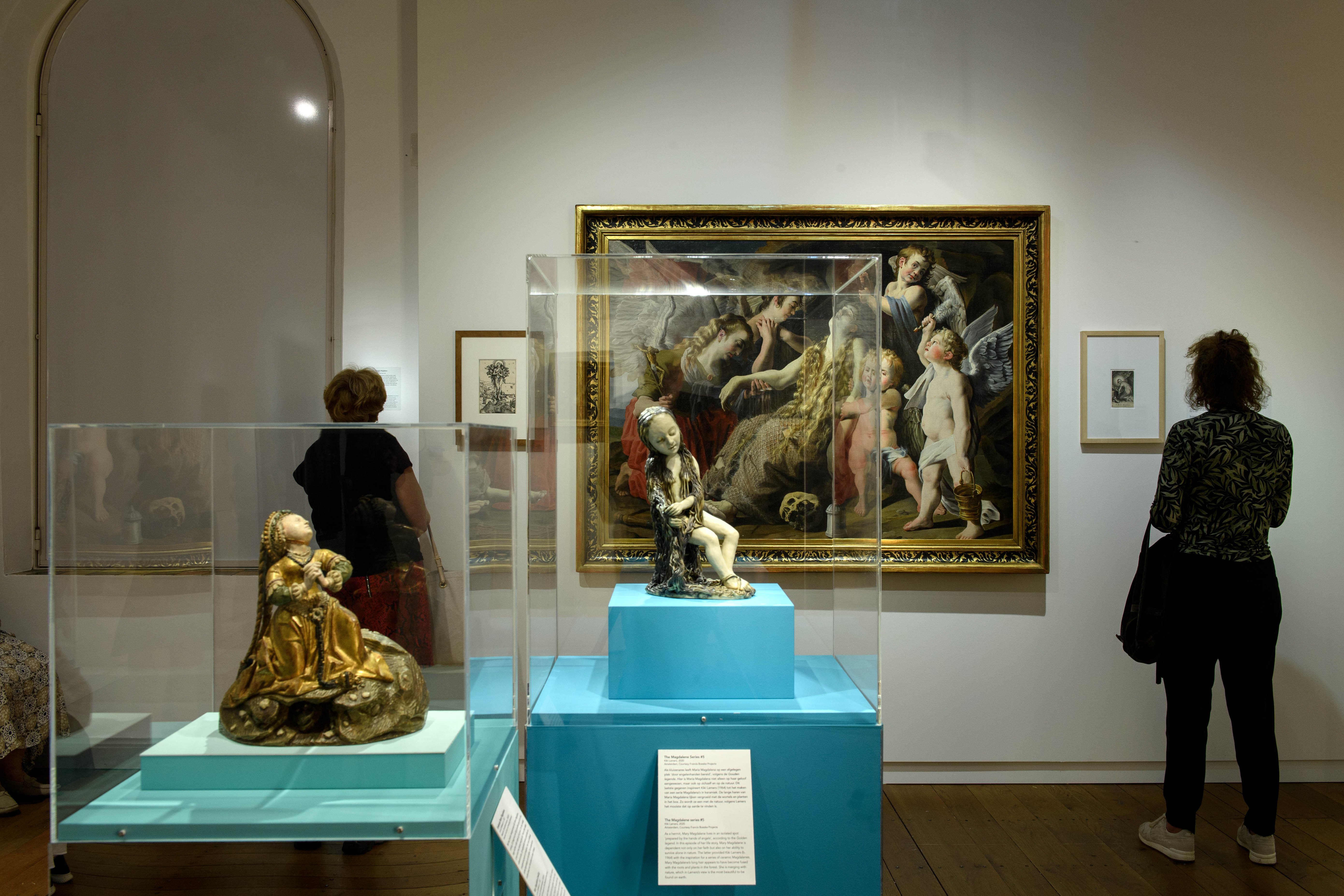

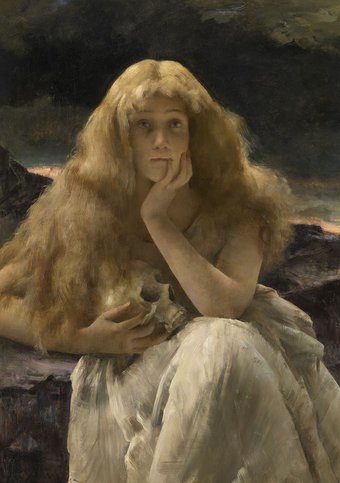


With loans from among others: Musee d’Orsay, Paris; The National Gallery, London; Museum of Fine Arts, Gent; The Phoebus Foundation, Antwerp; Van Abbe Museum, Eindhoven; Bonnefanten, Maastricht; Amsterdam Museum; Rijksmuseum, Amsterdam; Stedelijk Museum, Amsterdam; artists and private collectors. Exhibition design: Trapped in Suburbia, Amsterdam.
The exhibition was accompanied by a publication (available in NL and ENG editions)
Lieke Wijnia (ed.). Mary Magdalene. Chief witness, sinner, feminist. Waanders Publishers & Museum Catharijneconvent. 2021. With contributions by Diane Apostolos-Cappadona, Robin Griffith-Jones, Joane Anderson, Joan Taylor, Devon Abts, Caroline Vanderstichele, Desiree Krikhaar, Marije de Nood, Frank Bosman, and Lieke Wijnia.
Book design: Esther de Vries. The book won a Best Designed Books of 2021 Award.
 dr. Lieke Wijnia